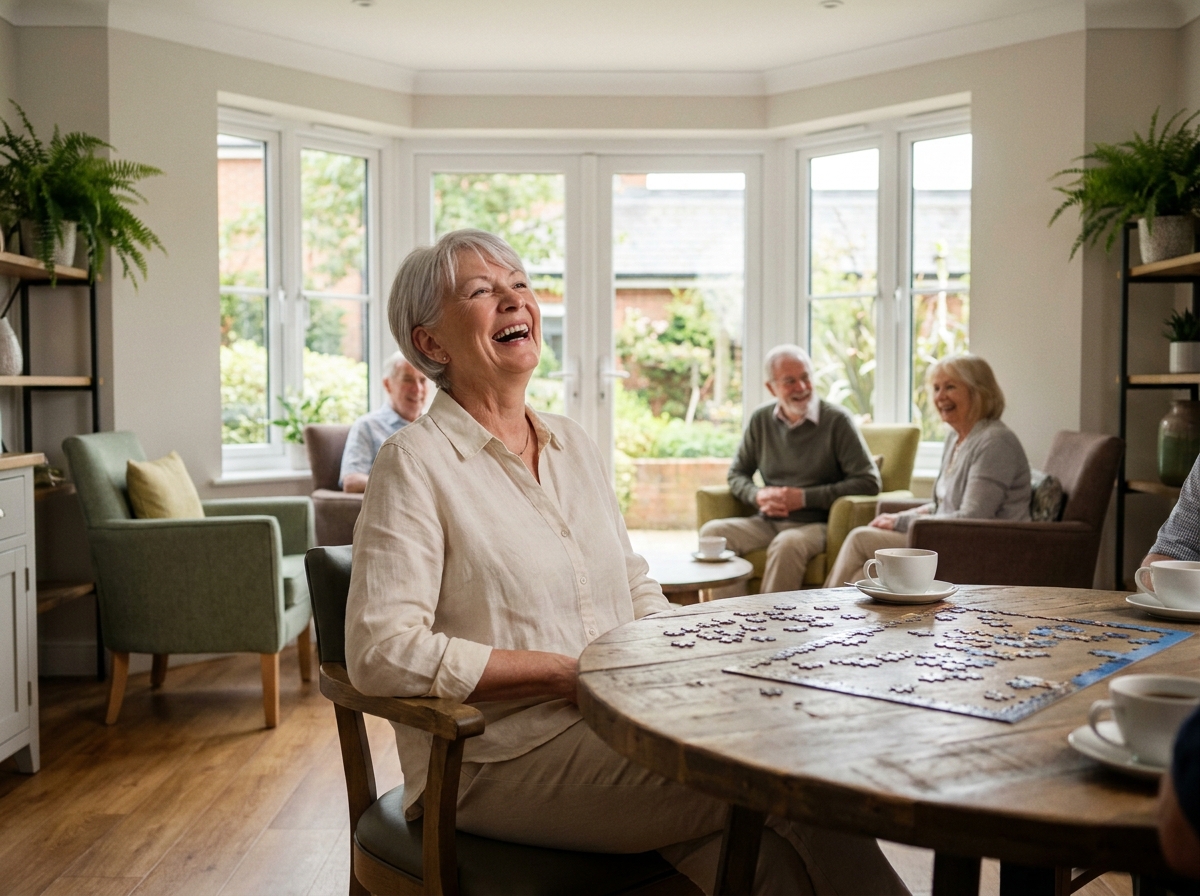
Senior residences no longer resemble what they offered ten years ago. The historical model, focused on security and accommodation, gives way to places where activities, diversity of residents, and regulatory requirements reshape the daily lives of residents. This transformation occurs under the combined effect of new expectations, a stricter legal framework, and initiatives that go beyond mere entertainment.
Air quality and health standards: what is changing in senior residences
The change in atmosphere in senior residences is not solely due to decoration or the activities offered. It also involves very concrete regulatory obligations that modify daily living conditions.
Since January 1, 2025, nursing homes and certain medical-social structures must monitor indoor air quality. An initial self-assessment and an action plan are expected by the end of 2026. This obligation pushes managers to rethink ventilation, the materials used in common areas, and the frequency of technical inspections.
Some establishments in the south of France, particularly those operating as a dynamic nursing home in Toulon, integrate these constraints into a broader redesign of their living environment. The air we breathe, natural light, sound insulation: these parameters, long considered secondary, are becoming criteria for families’ choices.
This regulatory pressure has an indirect effect on the overall atmosphere. An establishment that invests in the quality of its indoor environment sends a signal: comfort is no longer limited to suitable furniture or the presence of an elevator.
Intergenerational workshops in residences: beyond classic activities
Activities in senior residences have long been synonymous with bingo, gentle exercise, and supervised outings. The format is evolving towards more ambitious initiatives, particularly intergenerational workshops.
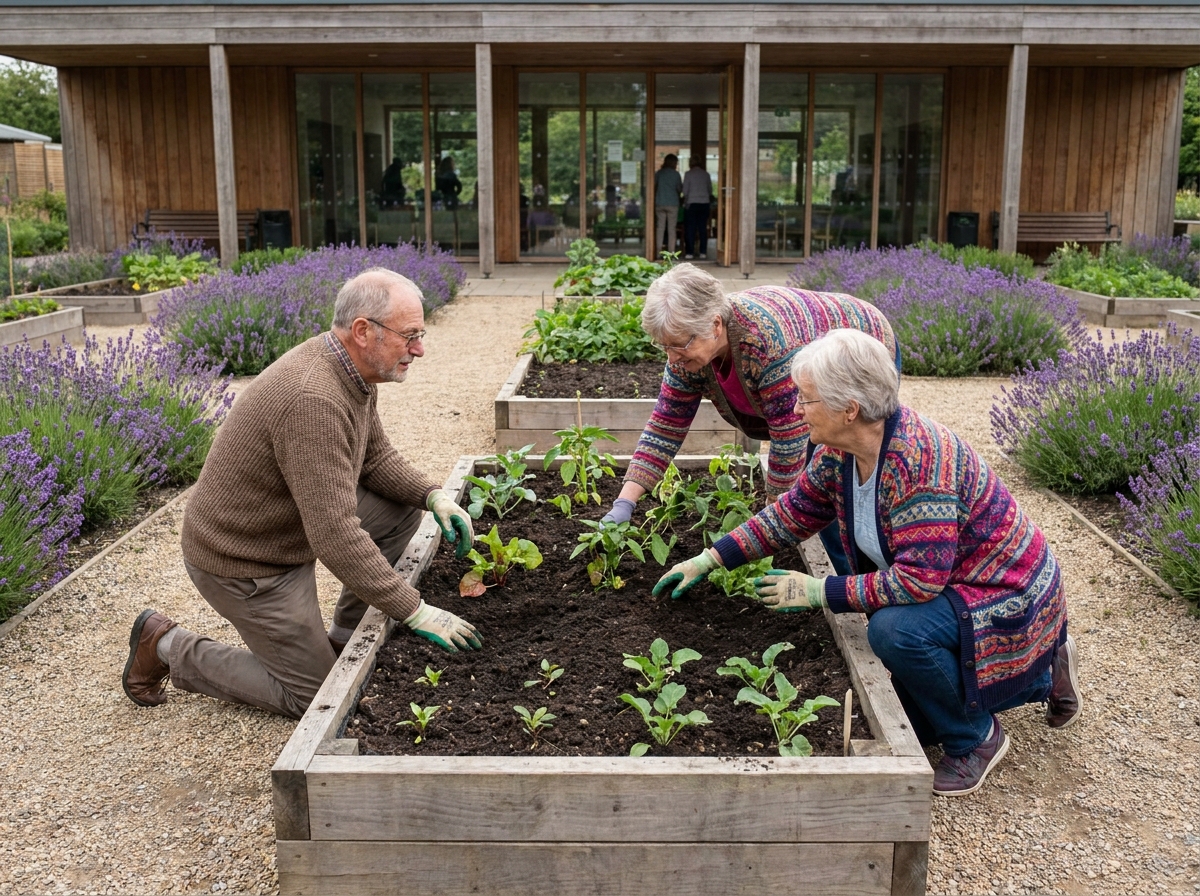
According to EHPAD Magazine (August 2026), these workshops are significantly developing and are associated with an improvement in residents’ well-being. The principle: to involve younger audiences (students, children, working adults) in shared activities within the residence itself. Cooking, gardening, digital skills, artistic creation, the formats vary.
This shift changes the atmosphere of a place. An establishment that regularly welcomes outside visitors for common activities no longer functions as a closed space. Residents are no longer just beneficiaries of services; they become participants in an exchange.
What this changes in the perception of the place
For families looking for senior housing, the existence of these programs weighs in on their decision. An establishment perceived as lively and open to its neighborhood reassures more than a place where residents remain among themselves.
Field feedback diverges on this point: some residents appreciate the calm and routine, while others actively seek these interactions. The challenge for managers is to offer without imposing, allowing each resident to choose their level of participation.
Shared housing and intergenerational residences: a model gaining traction
Intergenerational cohabitation is no longer a marginal experiment. According to La Gazette France (August 2026), shared housing involves nearly 275,000 people in France, spread across about 13,000 intergenerational residences. The government expresses its intention to promote their development.
This model is based on a simple principle: to bring together seniors, students, single-parent families, or working adults under one roof. Each has their private accommodation but shares common spaces (garden, lounge, laundry, sometimes a communal kitchen).
Why this format transforms the atmosphere of residences
The presence of diverse audiences modifies the social dynamics of a place. Daily schedules differ, as do conversations. A student returning home in the evening crosses paths with a retiree going out to walk their dog in the morning. These micro-interactions, seemingly trivial, create a social fabric that traditional residences struggle to replicate.
- Social connections are built through daily proximity, not just through scheduled activities
- Seniors involved in these initiatives report a heightened sense of usefulness, especially when they help younger neighbors
- The age diversity reduces the feeling of being in a “separate” place, cut off from ordinary life
The available data does not yet allow for precise measurement of the impact on residents’ mental health. The initial published observations remain qualitative, but they converge on one finding: intergenerational diversity alleviates the feeling of isolation more effectively than internal activities alone.
Residents’ expectations and market pressure: what drives establishments to evolve
The senior housing market is under pressure. Demand is increasing due to demographic aging, while the supply of suitable places remains insufficient in many areas. This situation creates a form of competition among establishments, pushing managers to differentiate themselves.
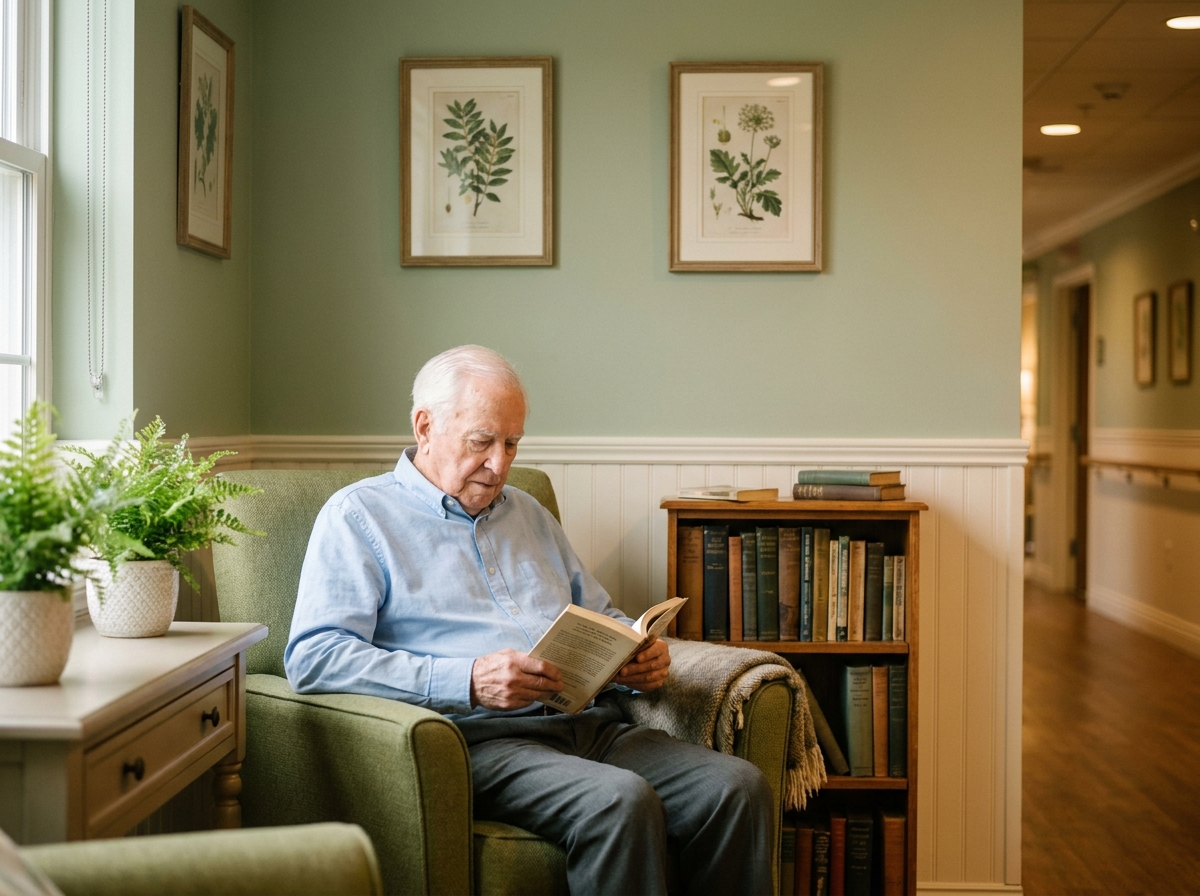
Residents’ expectations have changed profoundly. People arriving today in senior residences have often spent several decades in a home they chose and furnished. They no longer accept a standardized environment where autonomy is limited to menu choices.
- Personalization of housing (decoration, layout, choice of services) becomes a central argument
- Access to outdoor spaces (terraces, shared gardens) increasingly weighs in on selection criteria
- Transparency about costs and included services is a recurring demand from families
Residences that do not adapt lose attractiveness compared to alternatives such as supported home care or shared housing. The status quo is no longer tenable for structures that were content to offer a secure roof and a few basic services.
A territorial divide to monitor
This evolution does not affect all territories in the same way. Large urban areas concentrate new offerings, renovated residences, intergenerational programs. In rural areas, options often remain limited to older structures, less suited to new expectations.
The risk is to see a gap widen between dynamic urban residences and peripheral establishments that lack the means to transform. The atmosphere of a residence also depends on its territorial anchoring and the available local resources.
The underlying movement is underway, driven by regulation, demographic pressure, and the choices of the residents themselves. The speed of this transformation remains uneven across territories, the financial means of the structures, and the willingness of their managers. The change in atmosphere is not a mere communication effect: it reflects a real reconfiguration of the living model offered to autonomous elderly individuals.