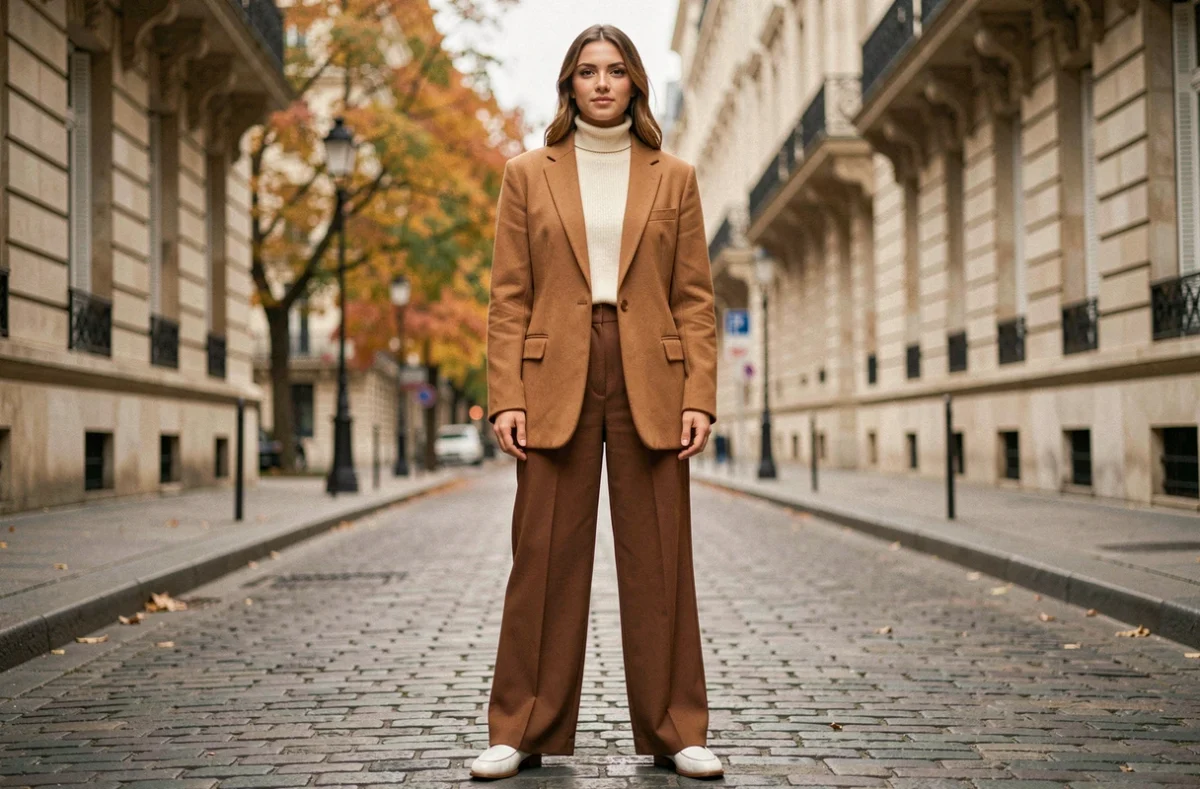
One morning in autumn, we open the wardrobe, and nothing works. The jeans we wore without thinking seem outdated, the jacket no longer falls like it used to. We all feel this shift with the changes of the season. Rather than replacing everything, a few well-chosen pieces and a fresh look at what we already own are enough to regain a look that is coherent with the fashion trends of the season.
Balloon pants and generous volumes: the cut that changes a silhouette
When you put on balloon pants for the first time, the sensation is disconcerting. The volume concentrates at the hips and thighs, then narrows at the ankle. The drape creates a movement that neither slim nor wide-leg pants produce.
A common mistake is to pair this lower volume with an equally loose top. This results in a “everything floats” effect that obscures the silhouette. The ground rule: a fitted or semi-fitted top balances the balloon pants. A fine turtleneck, a bodysuit, a shirt tucked into the waistband. The contrast between the structured top and the sculptural bottom gives the look its clarity.
For those discovering these autumn fashion trends, you can explore the combinations on the fashion page of Coups de Net, which details several ways to combine volumes and fitted cuts this season.
The balloon pants work just as well with block-heeled ankle boots as with flat loafers. Avoid bulky sneakers: the tapered ankle of the pants requires a shoe that extends the line without adding weight.
Autumn colors to adopt: red and butter shades in practice
Red is making a strong comeback in the autumn-winter collections. We see it on coats, midi dresses, and accessories. But wearing red daily is different from a runway look.
Red works better as a strong standalone piece than as a total look. A red coat over raw jeans and a black sweater is enough to structure an entire outfit. In contrast, pairing a red skirt with a red top requires a mastery of shades that few mainstream brands offer in the same color range.
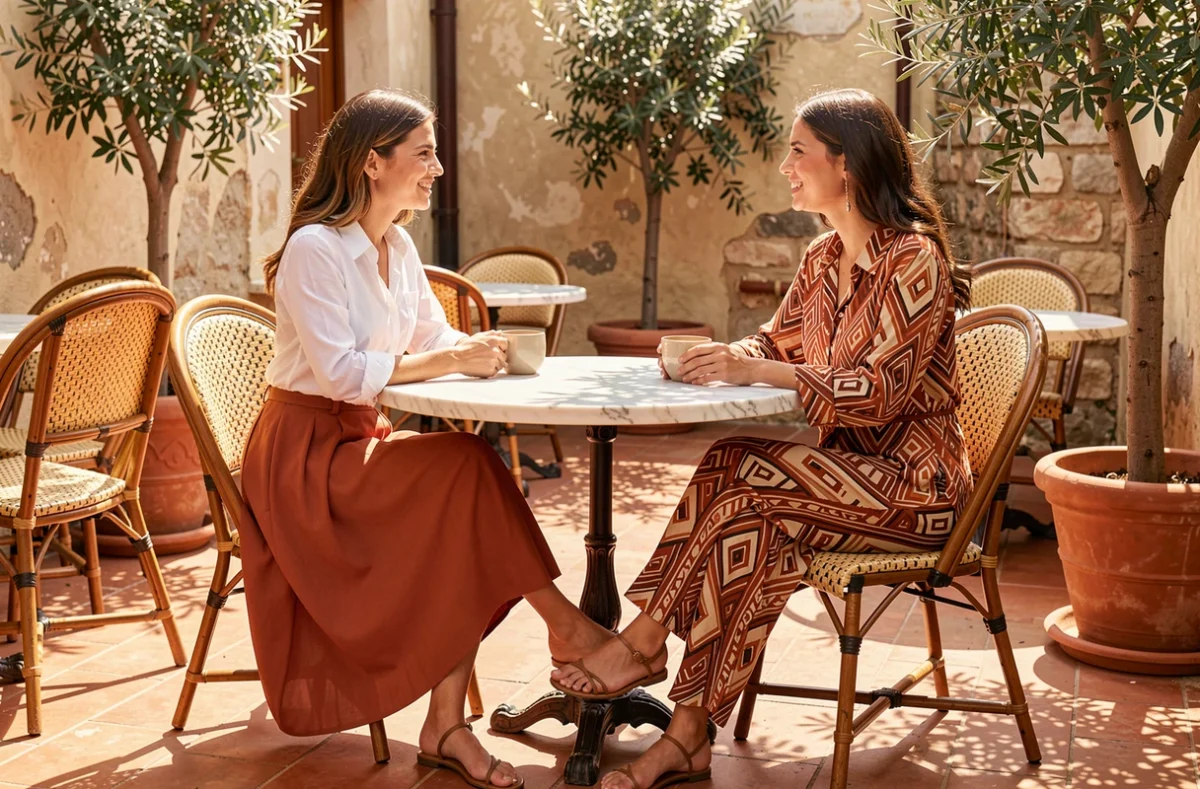
Butter yellow, more discreet, integrates with less risk. A butter yellow sweater under a brown leather jacket creates a soft contrast, suitable for both the office and the weekend. This shade pairs well with beige, cream, and khaki, making it compatible with most existing wardrobes.
Combining colors without overloading
- Limit the outfit to a maximum of three colors, including one neutral (black, navy, gray, beige), to maintain a readable base
- Place the strong color on the most visible piece (coat, dress, pants) and not on an accessory that won’t be seen
- Test the contrast in natural light before going out, as some butter shades can turn greenish under artificial lighting
Repair and alter rather than buy new: a concrete fashion gesture
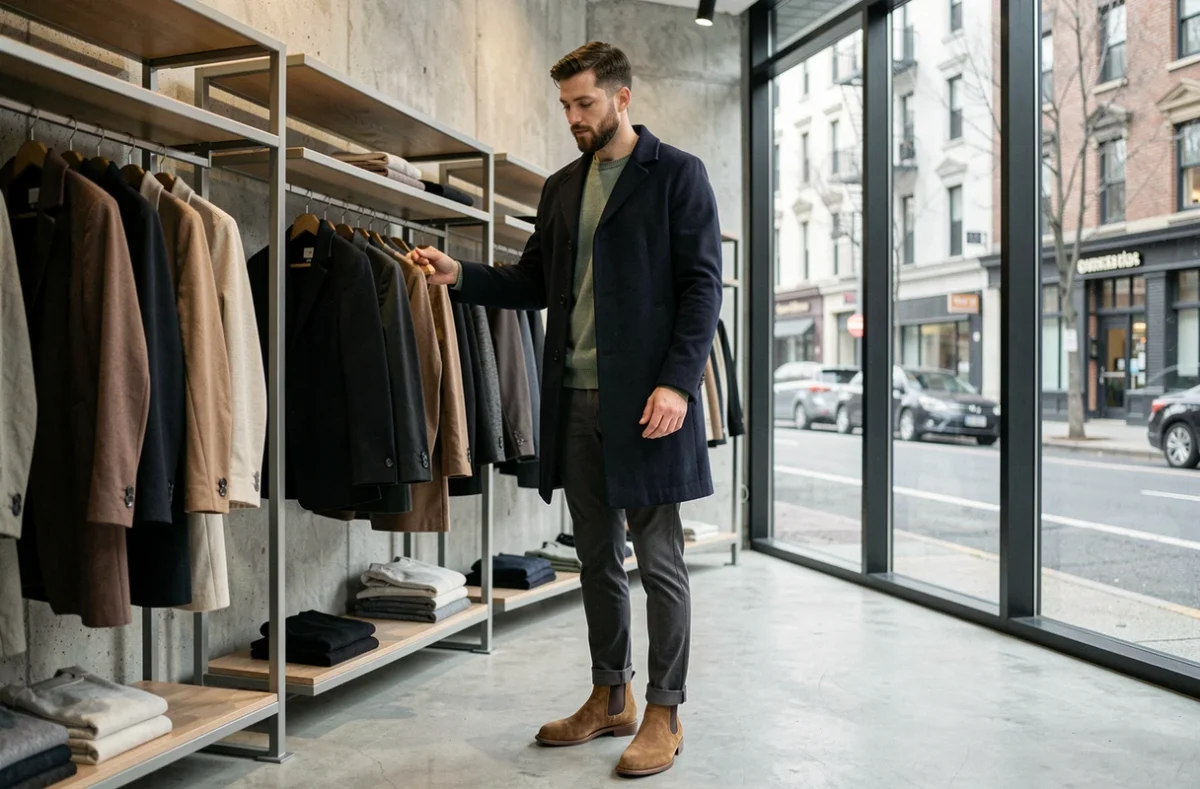
There’s a lot of talk about unique style, but true differentiation doesn’t always come from a new purchase. A recent survey conducted in the UK, France, and Italy shows that clothing repair is on the rise, often done by consumers themselves or through a local tailor rather than by the brands’ after-sales service.
In practice, shortening an overly long coat, adjusting the size of vintage jeans, or replacing buttons on a jacket transforms a mundane piece into a custom one. It’s also the most direct way to achieve a look that no one else is wearing.
The regulatory context reinforces this logic. Since July 19, 2026, large companies in the European Union can no longer destroy certain unsold textiles, under the European regulation on the eco-design of sustainable products. Medium-sized companies have until 2030, and small businesses are exempt. Recycling alone is not enough: it can be considered destruction, pushing brands towards resale or donation.
For the consumer, this means increasing access to unsold or refurbished pieces. Searching through second-hand circuits with a tailor’s eye becomes a fashion strategy in its own right.
Fabrics and layering for a mastered autumn-winter style
The cold season invites us to stack layers, but successful layering follows a simple principle: each layer must be visible and bring a different texture. A cotton t-shirt, a twisted knit cardigan, a smooth leather jacket. Three distinct textures create depth without excessive bulk.
Leather remains a staple of the season. Short jackets, midi skirts, or straight pants, it adapts to almost all styles. For both the beautiful season and autumn, the mix of leather and denim works particularly well: a leather jacket over a denim dress, or leather pants with a chambray shirt.
Fabrics to prioritize this season
- Thick knit (oversized sweaters, long cardigans) for controlled volume and warmth
- Soft leather or high-quality faux leather to structure the silhouette
- Fluid fabrics (satin, crepe) as underlayers to create movement beneath stiffer pieces
- Raw or faded denim, which remains a versatile basic to combine with trendy pieces
The satin slip dress worn under an oversized blazer illustrates this approach well. The fluidity of the fabric contrasts with the structure of the jacket, and the whole look transitions from the office to an evening out without a complete outfit change.
Embracing the fashion trends of the season doesn’t require emptying your wardrobe. A pair of balloon pants, a strong color worn with confidence, an alteration on a piece you already love, thoughtfully layered textures: four adjustments are enough to refresh a look without distorting it.