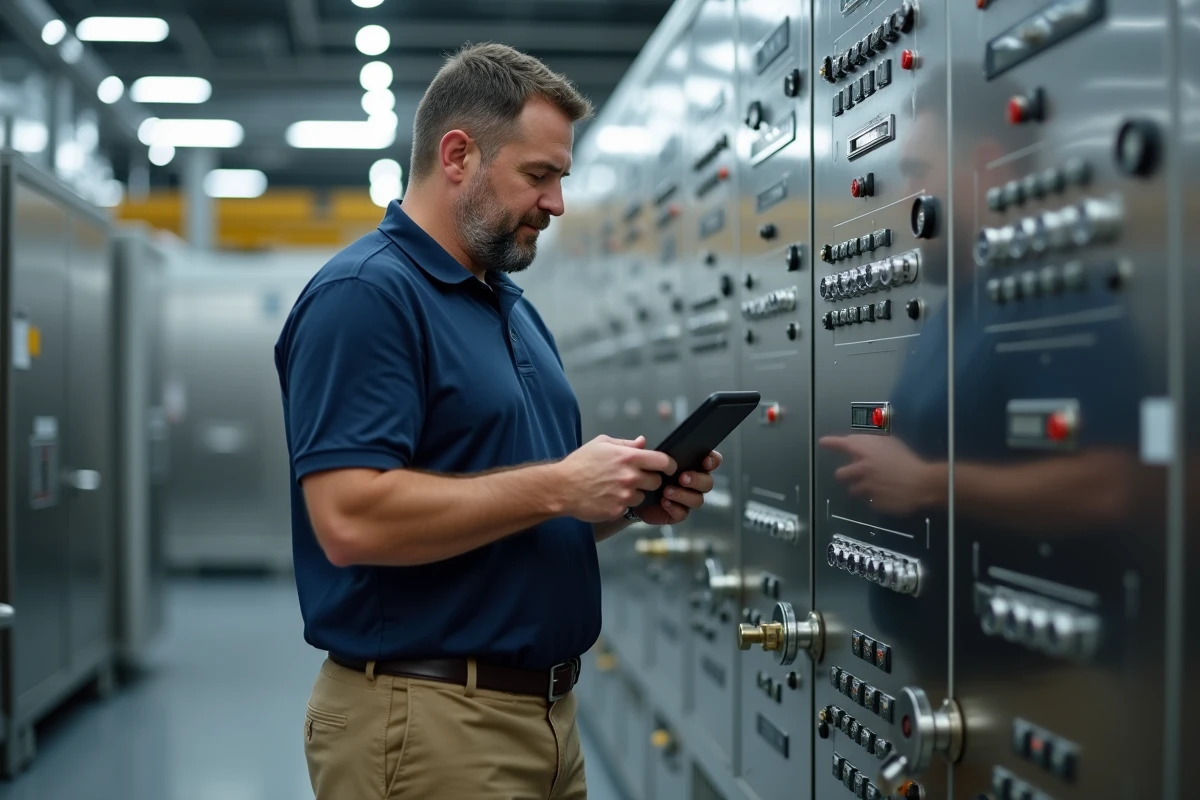
Accelerated obsolescence cycles have disrupted production chain planning since 2023. The numbers speak for themselves: the year 2025 marks a peak in patent filings, particularly in the fields of advanced automation and applied artificial intelligence. According to Gartner, the growth of digital twins is experiencing a spectacular rise in heavy industry, far surpassing that of the usual high-tech sectors.
The industrial tempo has transformed. Now, interoperability standards driven by Europe are significantly altering the balance of power. Historical players are revising their roadmaps, while startups are shaking up the established order through massive investments in smart sensors, which are now stealing the spotlight from traditional robotics. Innovation is gaining new speed and redistributing roles.
Industrial electronics in 2025: what major trends are shaping the future of the sector?
Never has technological revolution weighed so heavily on industrial electronics. Digital transformation is accelerating in every workshop, overflowing the boundaries of large structures to permeate the fabric of SMEs. Everyone is investing in digital tools, with a dual objective: to increase pace and refine traceability, without sacrificing quality.
In France, this dynamic is reflected in the rise of collaborative platforms and the installation of connected sensors even in the most discreet links of the assembly chain. Remote supervision systems are joining predictive maintenance devices. Two concerns are rising: maintaining control over data security and reducing energy footprint.
The trickle-down effect is clear: SMEs, often considered lagging behind, are now benefiting from a fertile ecosystem and increased accessibility to high-performance solutions. Subcontracting networks are adopting these innovations, betting on modular tools and more flexible production schemes.
To understand these developments and analyze the challenges facing the industry, ei-mag.com offers a valuable lookout. This site dissects the changes in industrial models and gives voice to those who are driving the new dynamics of French electronics. The result: a more agile sector, resolutely focused on technological autonomy.
Artificial intelligence, automation, cybersecurity: an overview of innovations transforming the industry
Industrial electronics is undergoing a true metamorphosis under the influence of artificial intelligence, analytical tools, and advanced robotics. On production lines, big data allows for anticipating incidents, integrating predictive maintenance, and streamlining inventory management. The supply chain becomes more responsive and adaptive, better equipped to face fluctuations.
In workshops, autonomous robots are establishing themselves permanently, supported by AIs serving the IoT. Far from simply replacing humans, this automation pushes operators towards higher value-added tasks. Human-machine interfaces are improving thanks to language models, making supervision and decision-making more intuitive and faster.
In the face of this acceleration, cybersecurity is taking center stage. Attacks are multiplying, aided by increasingly complex networks. Companies are reacting: they are training their teams and strengthening their defenses, multiplying segmentation and intrusion detection systems to protect new connected architectures.
Some concrete examples illustrate this shift in era. On a French production line, automated monitoring detects even the slightest anomaly in real-time. Defects are isolated, and data from sensors are analyzed instantly. The result: limited downtime and increased reliability for each manufactured batch.
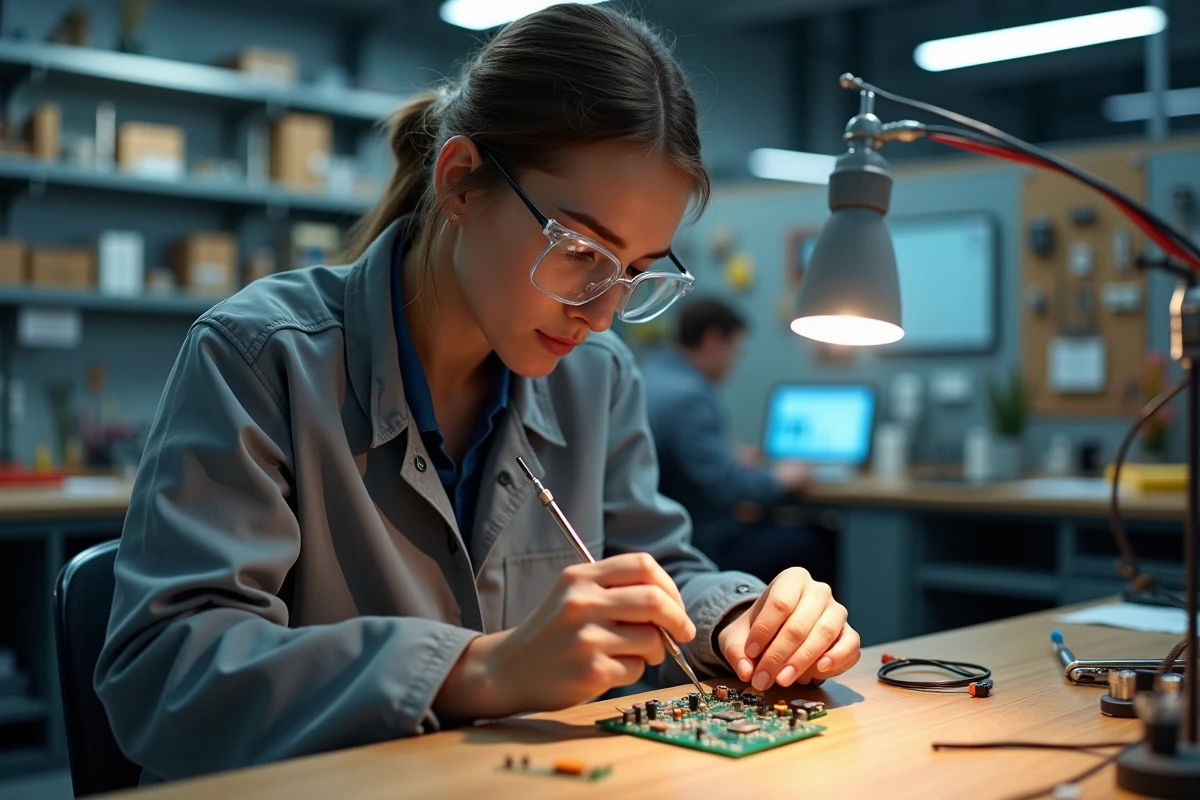
Emerging technologies according to Gartner: what concrete opportunities for industrial players?
According to Gartner, several rapidly rising technologies are initiating a profound transformation of the electronics industry. Digital twins, for example, are reinventing the management of manufacturing lines. Thanks to them, engineers can see, simulate, and adjust flows in real-time, anticipating incidents before they impact production. This ability to act upstream changes the game in terms of performance.
Another key element of this evolution is augmented reality. When deployed in maintenance or training, it places operators at the heart of the action, providing them with real-time visual instructions superimposed on their work environment. Interventions become faster and safer. On the commercial side, virtual reality also accelerates customer choices during the presentation of new devices.
The Internet of Things has established itself as the backbone of industrial renewal. Sensors are invading the entire process, collecting an unprecedented volume of data. Thanks to analytical tools, each piece of information is leveraged to optimize logistics, refine energy consumption, and elevate competitiveness to a new level.
In France, these innovations translate into concrete gains. Intelligent machine management, dynamic adjustment of production lines, accelerated customization of tools or products: the transformation is palpable at every level of the industry. Relying on this pace of change allows the industry to gradually turn every constraint into a growth driver.
The near future promises no routine. In this constantly evolving sector, the next upheaval never waits long.