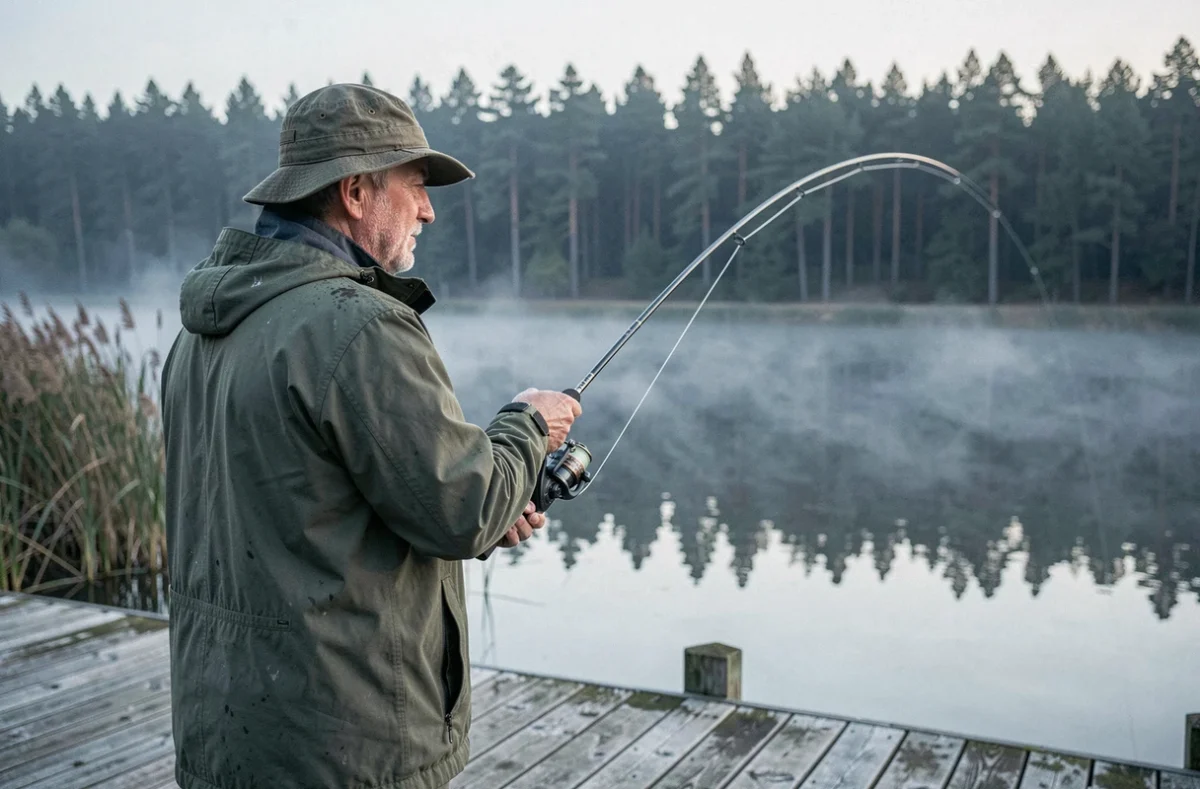
When preparing for a boat outing and discovering that the paper fishing log is no longer sufficient for vessels under twelve meters, one realizes that the regulatory framework has shifted faster than expected. Autumn 2026 brings several concrete changes for professional and recreational fishermen in France and Europe, amid social mobilizations, new digital obligations, and funding reforms.
Mandatory electronic tracking for vessels under 12 meters
Until recently, small professional boats were exempt from most digital traceability constraints. This is no longer the case. Since 2026, electronic tracking extends to vessels under 12 meters, with digitized fishing logs, recorded weighing, and near real-time capture tracking.
On the ground, this means additional equipment on board, software or an app to master, and declarations to submit even before returning to port. For small fishing captains working alone or with one other person, the administrative burden significantly increases.
You can find all the news on My Fish Book regarding these regulatory developments affecting both the English Channel and the Mediterranean. Reactions vary on this point: some fishermen welcome better resource protection, while others highlight the cost of the devices and the time spent on declarations.

Mobilization of fishermen in the Mediterranean: fuel and quotas
In mid-September 2026, fishermen blocked the ports of Nice and Frontignan to protest against fuel prices and the restrictions of the European West Med plan. This plan limits the number of annual outings for trawlers and imposes a mesh size deemed too large by the profession.
The price of diesel remains the primary expense for most coastal vessels. Combined with the reduction of allowed fishing days, it compresses margins to the point of making some campaigns unprofitable.
The French government announced a series of support measures for Mediterranean fishermen, but the blockades were only lifted after concrete commitments regarding the revision of access conditions to aid. Tension remains palpable in the auctions along the southern coast.
Tuna quotas and distribution of fishing rights
The European Parliament has taken a stand for a more equitable distribution of quotas between artisanal and industrial fleets. The current allocation logic favors large tonnages, penalizing small coastal fisheries that represent the majority of vessels in France.
This demand aligns with those raised on the docks of Nice and Frontignan. Artisanal fishermen are calling for allocation criteria to consider the environmental impact per unit of catch, not just fishing history.
European Fisheries Fund: simplifying funding
On September 21, 2026, the European Commission proposed to amend the regulation of the European Maritime, Fisheries and Aquaculture Fund (EMFAF). The stated goal: to facilitate access to aid and clarify the legal framework for pilot projects.
Specifically, project holders (cooperatives, shipowners, research organizations) should be able to submit applications with fewer supporting documents and shortened processing times. The text also aims to provide a legal basis for experiments with new technologies, such as selective fishing gear or hybrid propulsion systems.
- Reduction in the number of documents required for grant applications, especially for small organizations
- Explicit legal framework for pilot projects testing innovative fishing technologies
- Possibility to finance experiments with hybrid or electric propulsion on fishing vessels
For fishermen hesitant to invest in more selective gear or in the energy transition of their boats, this reform could remove a concrete barrier if adopted in the coming months.
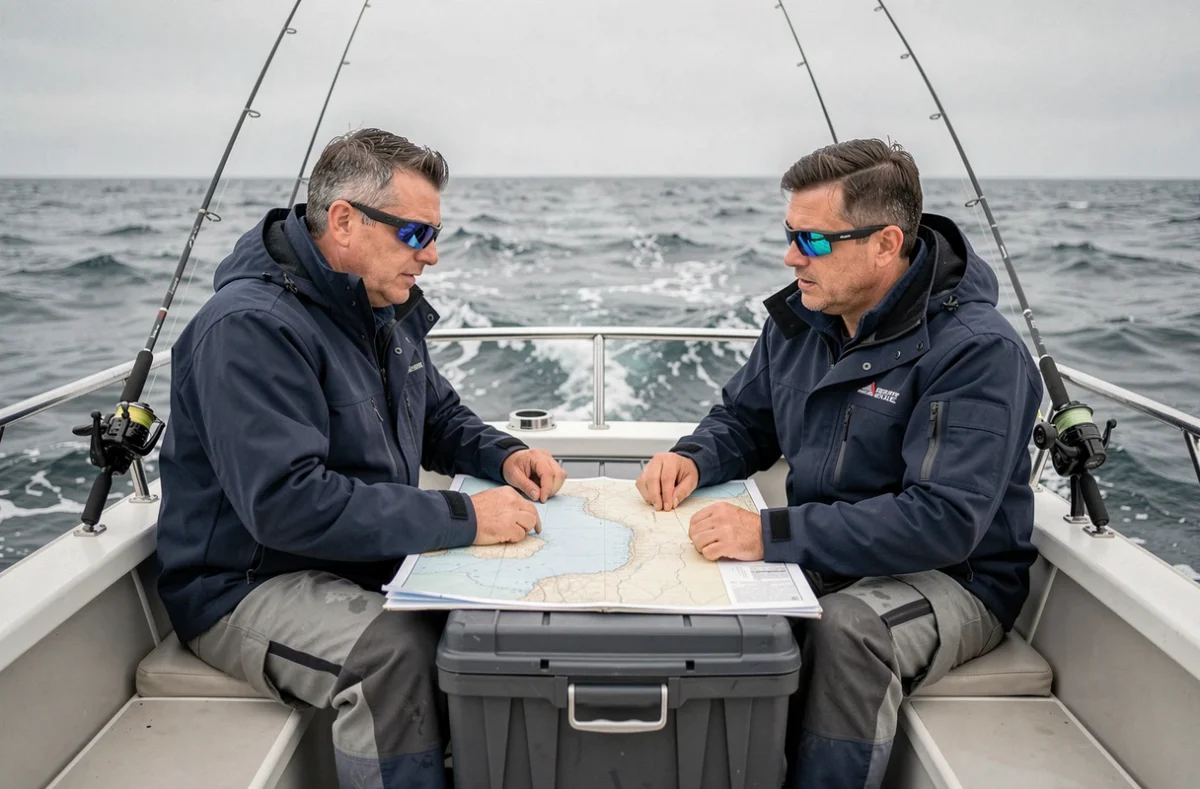
Marine biodiversity and recreational fishing: what’s changing this autumn
On the recreational fishing side, the opening of the scallop season in Granville has started on a mixed note. Professionals report that the water temperature remains too high for suitable yields, a phenomenon increasingly common in recent years.
In Douarnenez Bay, the harvesting of all shellfish has been authorized in part of the area, following favorable health analyses. For shore fishermen, this means expanded access, but still under the condition of respecting minimum sizes and quantities per person.
Monitoring eels and scientific tracking
Around Granville, rivers are subject to enhanced monitoring of eel populations. This species, classified as critically endangered, is subject to regular counting and capture restrictions that also apply to amateur fishermen.
Monitoring methods are evolving towards approaches independent of commercial catches. NOAA, on the American side, is working on protocols for autonomous scientific surveys to better assess stock status without solely relying on declarative data. These methods could inspire European managers in the coming years.
- Counting eels in Normandy rivers with instrumented fish passes
- Regular health analyses conditioning the opening of shellfish areas
- Development of independent scientific surveys to assess fish stocks
Autumn 2026 marks an operational turning point for the fishing sector in France. Between the digitization of monitoring for small vessels, pressure on operating costs, and the overhaul of European funding mechanisms, the coming months will determine whether these reforms translate into real support for small fisheries or simply add another layer of administration.