
Vinted sometimes requires the submission of an identification document before unlocking a seller’s wallet. This verification is based on regulatory obligations related to the financial flows passing through the platform, rather than an administrative whim. Understanding the mechanism allows one to anticipate the request and avoid prolonged blocking of funds.
Mangopay and the payment chain behind Vinted

The request for identification on Vinted does not come directly from the marketplace. It goes through Mangopay, the payment service provider that manages transactions between buyers and sellers.
Recommended read : How to Prepare Your Move to Switzerland: Steps and Formalities
Mangopay is a licensed electronic money institution, subject to European directives against money laundering. When a user exceeds a certain cumulative threshold of sales or transfers, Mangopay triggers an identity verification procedure known as KYC (Know Your Customer).
In practice, as long as the verification is not completed, the money remains blocked in the Vinted virtual wallet. The seller cannot transfer the funds to their bank account or use them to make purchases on the platform. This suspension is automatic and does not depend on a human decision.
Further reading : Everything You Need to Know About Computing: News, Tips, and Advice for Everyone
Accepted documents and identity verification procedure
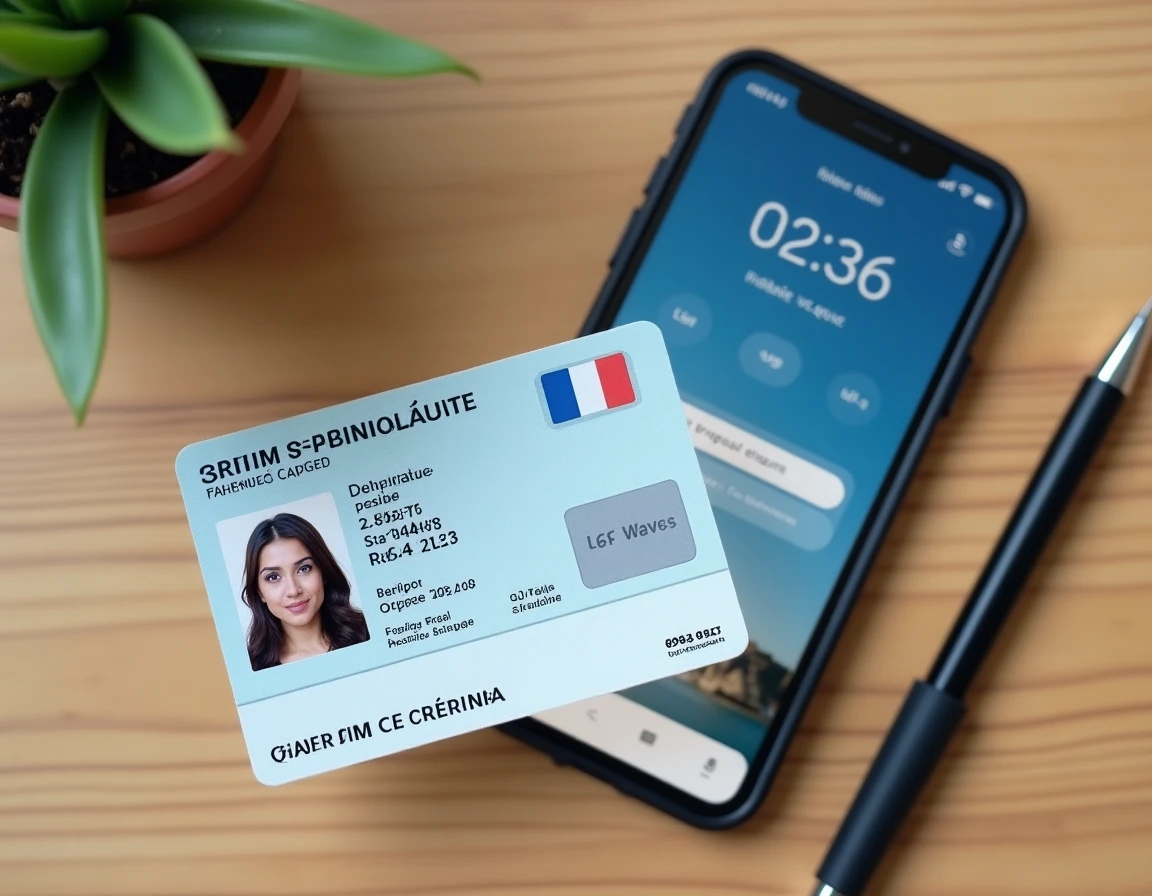
Vinted accepts three types of documents to validate a member’s identity:
- The national identity card, front and back, currently valid
- The passport, with the page containing the photo and personal information
- The driver’s license, provided it has a usable photograph
The submission is done directly from the app or the website. Vinted generally requests a photo of the document (not a scan) taken in good lighting conditions, without glare or obscured parts. A video selfie verification may also be required to confirm that the face matches the document.
Processing takes from a few hours to several days depending on the case. Users report longer delays when the image quality is insufficient or the document is partially unreadable.
Expired identity card, name usage, or shared account: cases that block
Verification often fails for reasons that sellers do not anticipate. Three situations frequently arise in user feedback.
Expired identification on Vinted
An expired national identity card may sometimes be accepted by the automated system, but this is not guaranteed. Some users have had their verification validated with an expired document, while others found themselves blocked with no way to complete the process. The platform does not communicate a clear rule on this point.
In case of refusal, the only solution is to provide another valid document (passport or driver’s license). If no valid document is available, the wallet remains frozen until the identification document is renewed.
Difference between name usage and birth name
Vinted compares the information on the document with that of the account and the associated bank account details. A name usage (such as a married name) that does not appear on the identification document can lead to a rejection. The system expects a strict match between the banking data and the provided document.
To resolve the situation, one must either change the name on the bank account or provide an identification document bearing the same name as that registered on the bank account details.
Shared Vinted account within a household
One account per individual is the rule on Vinted. When multiple members of a household use the same account, the identity verification can only validate one person. If the bank account details are in the name of another household member, the bank transfer will be refused.
The platform does not offer a co-ownership mechanism. Each seller must have their own account, associated with their own identification documents and bank account details.
Protection of personal data and the role of the CNIL
Sending a copy of one’s identification document to an online platform raises legitimate questions about the confidentiality of personal data. Vinted and Mangopay are required to comply with the GDPR, which governs the collection, storage, and retention period of documents.
The CNIL reminds that the collection of an identification document must be proportionate to the purpose pursued. In the case of a payment service provider subject to anti-money laundering obligations, this collection is considered legitimate. However, the document must only be used for identity verification and cannot be reused for other commercial purposes.
Some precautions before sending:
- Ensure that the request comes from the Vinted app or Mangopay, never from a private message sent by another user
- Never send your identification document via email or through an external link received in a message
- Add a handwritten watermark (“for Vinted only”) on the copy of the document to limit the risk of fraudulent reuse
Testimonials on social media show that confusion between legitimate requests and scam attempts remains common. Any real verification goes through the official Vinted interface, never through an external link or a private message.
The temporary blocking of the wallet remains the main source of frustration, especially when the seller does not immediately have a valid document. Anticipating the verification by providing documents as soon as the first sales occur can help avoid a suspension when the funds become significant.