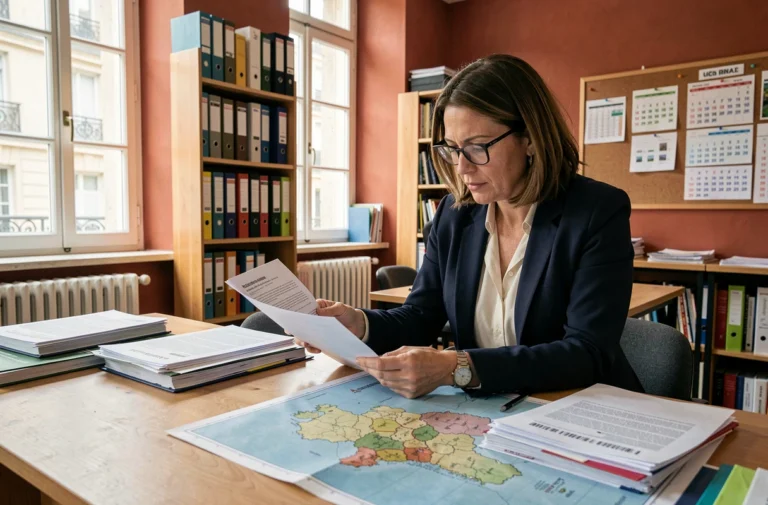
Moving to Switzerland attracts many people due to its high quality of life, picturesque landscapes, and dynamic job market. Relocating to this country requires careful preparation and understanding of specific administrative procedures. Be sure to gather information about residence permits, mandatory health insurance, banking and tax regulations, as well as the specifics of the Swiss real estate market. Mastering one of the national languages can be a considerable asset. This practical guide aims to enlighten those considering making Switzerland their new home.
The essential steps to settle in Switzerland
First, find a suitable residence permit. For expatriates wishing to establish themselves in Switzerland, obtaining a residence permit is the first regulatory step. Depending on your nationality, the duration and purpose of your stay, the types of permits vary. The cantonal migration authorities, in collaboration with the State Secretariat for Migration, will guide you through this essential process. Keep in mind that the process can take several weeks or even months.
After obtaining your residence permit, obtain a Swiss work permit, which is essential for any professional activity in Switzerland. This step is fundamental and often contingent upon a confirmed job offer from a local company. The link between residence permits and work permits is close; therefore, expatriates must pay particular attention to the alignment of these documents.
Next, ensure compliance with the mandatory health insurance. In Switzerland, every resident must be covered by basic health insurance. This is a legal requirement that must be implemented quickly after your arrival. You will have a choice among various providers, but do not delay: the registration deadline is generally three months after settling in.
Contact the Swiss customs to regulate your move. Switzerland, a non-EU country, applies specific customs rules. You will need to declare your personal belongings upon entry to avoid potential taxes or fines. Similarly, Swiss banks offer diverse financial services tailored to new residents. Be sure to inquire about accounts suitable for non-residents and the reporting obligations that arise from them.

Understanding and adapting to the Swiss lifestyle
Switzerland, known for its high quality of life, also presents a significant cost of living. Indeed, every expatriate must anticipate the expenses related to housing, everyday consumption, and leisure activities. Consider that, despite salaries often being above the European average, the maintained standard of living will depend on your budget management and your ability to adapt to local prices. Housing in particular, while of high quality, is expensive: the search for an apartment or house should therefore be undertaken with diligence and financial realism.
Within this environment, education holds a prominent place with schools and universities offering a renowned level of teaching. Families moving to Switzerland will have access to top-tier educational institutions, ensuring a solid education for their children. Tuition fees can represent a significant investment, so it is advisable to incorporate them into your budgeting as early as possible.
Swiss taxation also deserves special attention. With generally lower taxes than in France, certain categories of residents may even benefit from a lump-sum tax, a tailored taxation system. However, this provision only applies to certain profiles and requires a thorough understanding of cantonal and federal tax rules. Engage in this analysis with the assistance of a tax advisor to optimize your situation.