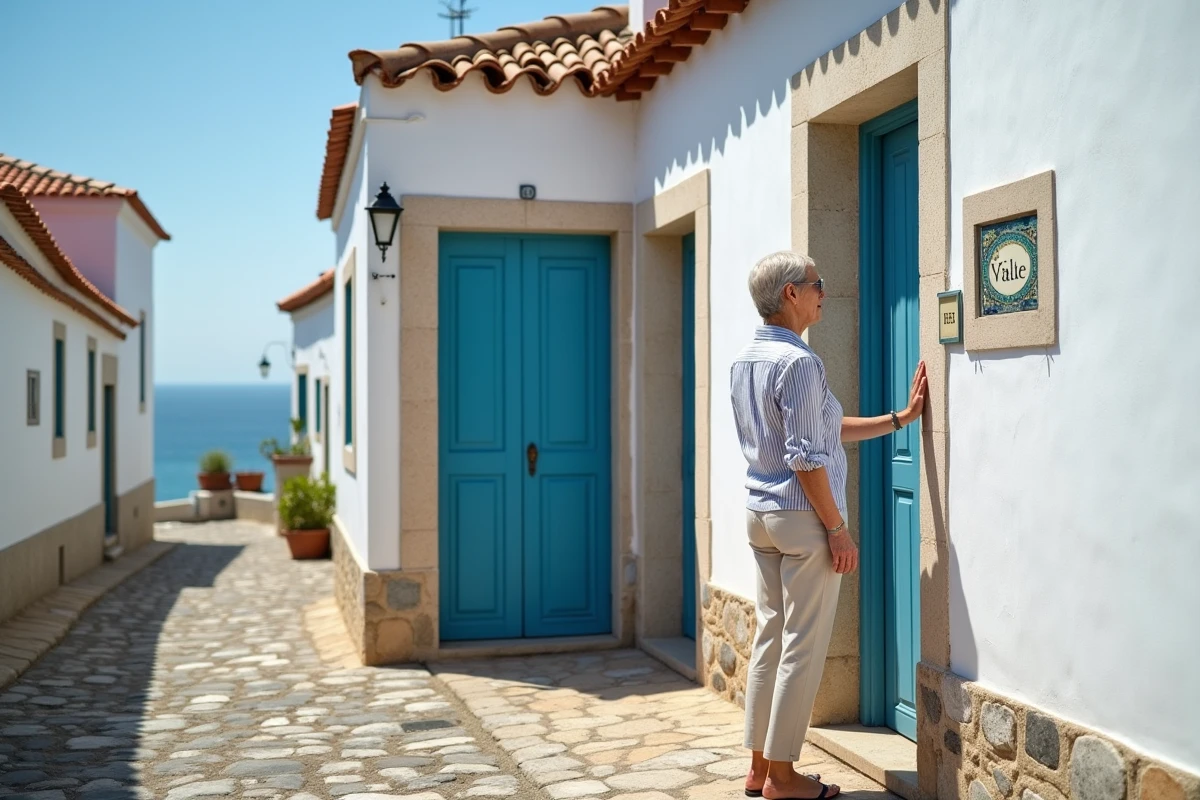
Fisherman’s houses in Portugal are increasingly flying under the radar of traditional searches. They are tracked down in the twists and turns of local networks, rarely on the showcases of major platforms where properties are already overwhelmed with visits. The most beautiful finds, those that make the heart race, circulate discreetly, carried by networks of trust or agencies rooted along the coast.
For those who refuse to settle for yet another mundane listing, there are other paths. By relying on the expertise of a local agency or forging direct connections with owners, one opens the door to houses that tell the story of the sea in every corner. Sometimes renovated, sometimes raw, all have that extra soul: the view of the Atlantic, the patina of time, the memory of generations of sailors.
Living to the rhythm of the ocean: why so many French people succumb to the charm of Portuguese fisherman’s houses
Portugal stretches out facing the ocean, sculpted by wind and light. It is along this coastline that fishing villages unfold, from the Algarve to Costa Nova, where life adopts a slower tempo. Here, the fisherman’s house not only protects from the wind: it embodies a way of living, of taking time, of living in harmony with the tides and the boats returning to port.
The typical architecture, with its whitewashed walls, red roofs, and discreet openings, transcends trends without ever fading. These houses bear the mark of the ocean and the work of men. Life revolves around the port, the fish market, the festivals where the community gathers to share traditions, rituals, and recipes. This dense social fabric, this immediate proximity, gives village life a strength that many seek.
It quickly becomes clear what attracts so many French people: a temperate climate, a sense of security, and a reasonable cost of living. Some choose to spend their retirement there, others invest in a rental project. All are in search of a place where routine fades in favor of authenticity. Finding a fisherman’s house in Portugal means choosing the marine horizon, sometimes accepting less modern comfort, to reconnect with a simpler life, rooted in a preserved culture.
Before going further, it is important to highlight the different ways to inhabit a fisherman’s house:
- Main or secondary residence, the fisherman’s house meets every life project.
- Portugal paves the way for real estate investment and a different daily life.
- Fishing villages value friendliness, slowness, and authenticity, far from urban tumult.
Which regions hide the most beautiful fisherman’s houses for sale in Portugal?
The Portuguese coastline unfolds its villages like so many promises of escape. Certain names keep coming up when discussing fisherman’s houses: Algarve, Costa Nova, Nazaré, Ericeira, Comporta. Each of these regions cultivates its personality, imposes its codes, and displays its prices.
The Algarve, in the south, charms with its mild climate and the diversity of its villages: Ferragudo, Salema, Tavira. The market is dynamic there, with an average price around €3,950 per square meter, driven by an international clientele. Further north, Costa Nova attracts attention with its striped houses facing the lagoon and a more accessible market, around €1,998/m². Nazaré, perched on the cliff, famous for its waves and maritime past, offers a square meter at €2,714. Ericeira, a surfer’s haven, combines traditions and new energy for €3,129/m². Other, less exposed villages maintain a rare authenticity: Sesimbra (€2,917/m²), Odeceixe (€3,496/m²), Vila Praia de Âncora (€1,350/m²).
Here’s what distinguishes these territories for those looking to settle or invest:
- Each region of Portugal shapes the fisherman’s house in its own way, between modernity and history.
- The Portuguese real estate market retains a certain appeal, even as prices rise.
- Some villages, less frequented, offer cultural immersion and a sustainable real estate purchase.
In these places, every stone carries the memory of the sea and the daily lives of the inhabitants. If you are looking for a house where light, tranquility, and proximity to the ocean rhythm the days, this is where to look.

From listings to visits: how to make your dream of a fisherman’s house in Portugal come true today
To find the rare gem, it’s best to proceed methodically. Serious listings highlight the expected advantages: thick walls, sloping roof, courtyard or patio, direct access to the sea. The listing should also specify the status of the property, especially in protected areas where the “direito de uso” applies: a limited-time occupancy right, subject to an annual fee, with ownership reverting to the state at the end of the contract.
Before visiting, a few checks are necessary: you need to verify the measurements, diagnose the condition of the structure, ensure the title of ownership is compliant, and identify any easements. In fishing villages, attention is paid to access, networks, and renovation constraints, sometimes governed by strict heritage rules.
Here are the reflexes to have before diving in:
- Consult local experts to assess the true value of the property.
- Obtain a technical diagnosis, particularly regarding humidity and structure.
- Inquire about taxation and purchasing procedures as a non-resident.
The visit reveals the essence of the place: small windows opening onto the Atlantic, traces of maritime history, discreet neighbors. Investing in a fisherman’s house is choosing a life experience: primary residence, vacation home, or seasonal rental investment. The authenticity of the architecture, tranquility, quality of life, and potential for appreciation make this purchase unique, bridging the legacy of the past and a project for tomorrow.
Under the Portuguese sun, each fisherman’s house awaits its next chapter. Who will be ready to write the sequel?