Pollinator populations are experiencing a rapid decline in many regions of the world. This phenomenon directly affects the reproduction of many plant species.
Disruptions in the flowering cycle of certain ornamental plants are increasingly being reported. The consequences ripple through entire ecosystems, altering the balance and diversity of plant and animal species.
The central role of pollinators in the flowering of the butterfly bush
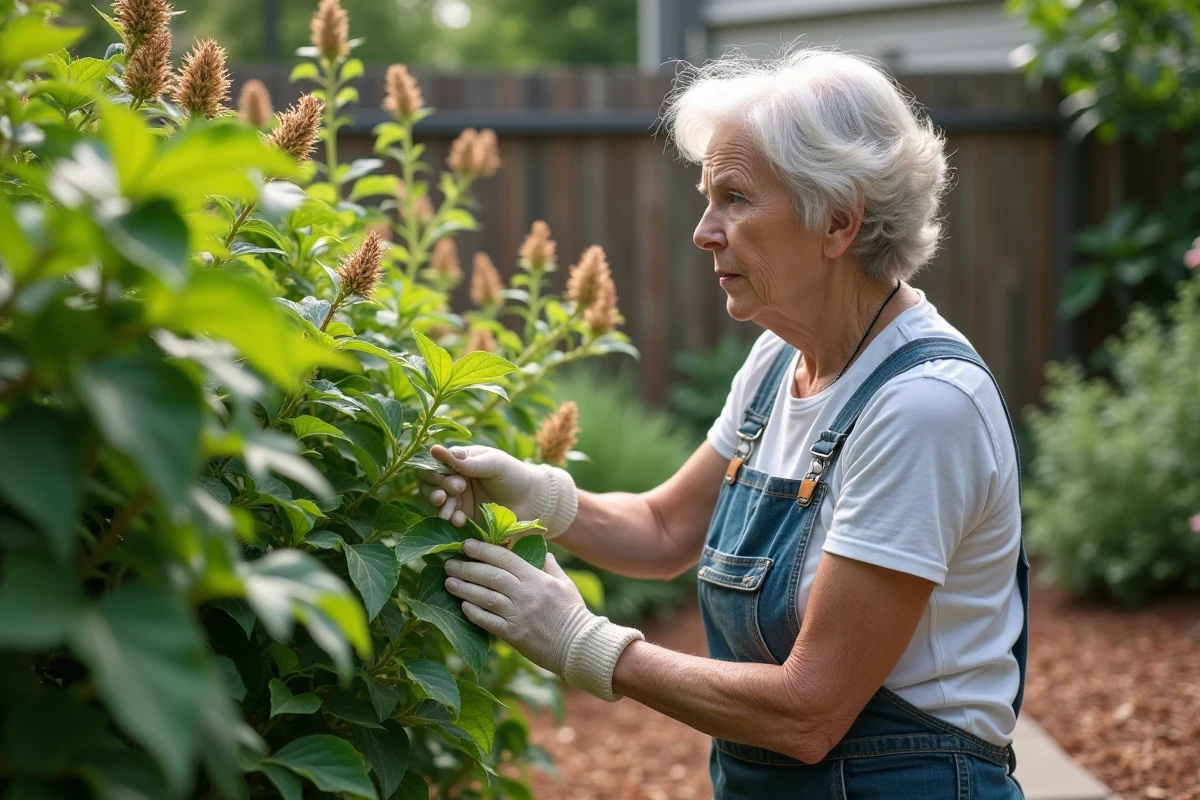
The butterfly bush, also known as Buddleja davidii, comes into its own at the beginning of summer, displaying its fragrant clusters between June and October. Its flowering, generous and colorful, in lilac, purple, pink, white, or violet, can sometimes surprise with its absence, even when everything seems in place for it to explode. The real question lies behind appearances: what causes the flowering of Buddleja to derail, when the soil, light, and pruning appear impeccable?
The key is the subtle relationship the plant maintains with its entourage of pollinators. Vulcan butterflies, Peacock butterflies, Painted ladies, Nymphalinae, honeybees (Apis mellifera), and hoverflies tirelessly frequent the inflorescences of Buddleja. This ballet is not incidental: it directly conditions fertilization and, therefore, the profusion of flowers. Studies show that the decline of these insects, caused by pesticides or habitat fragmentation, clearly reduces the butterfly bush’s ability to offer its iconic clusters.
We see this season after season. Where the diversity and number of pollinators decline, the flowering of Buddleja becomes more discreet, sometimes even nonexistent. The resources it needs far exceed water or light: they also include these insects, true allies in its life cycle.
To delve deeper into the reasons, the resources dedicated to why the butterfly bush does not flower gather concrete testimonies, botanical observations, and field feedback. Ultimately, the flowering of Buddleja, known for being robust and low-maintenance, relies on a delicate balance: that of the constant dialogue between the plant and the pollinator fauna.
Why does the decline of pollinators disrupt the balance of ecosystems?
The gradual disappearance of pollinators, butterflies, honeybees (Apis mellifera), and hoverflies, disrupts natural dynamics. While Buddleja davidii attracts a varied fauna, its ecological role remains ambiguous. It asserts itself through its ability to colonize abandoned environments and its abundant flowering, but its nutritional contribution to certain local species remains limited.
Buddleja quickly invades wastelands, embankments, and the edges of railways or rivers, competing with native nectar-producing plants. This progression comes at the expense of local flora, reducing diversity and food availability for pollinators. The result is not neutral: fewer suitable resources, fewer sites for reproduction, and a gradual collapse of local biodiversity.
To better understand its impact, here are the main consequences of its expansion:
- Its rapid multiplication, whether by seeds or cuttings, exacerbates its influence on natural spaces.
- Competition with native flora weakens local food chains.
- Control measures are being implemented, particularly in France, to contain its development.
A nectar-producing plant does not replace another: not all provide the same value for local fauna. Betting on native species, adapted to the dietary needs of local pollinators, helps to strengthen the vitality of ecosystems and curb the erosion of diversity.
Concrete actions to protect biodiversity and promote flowering
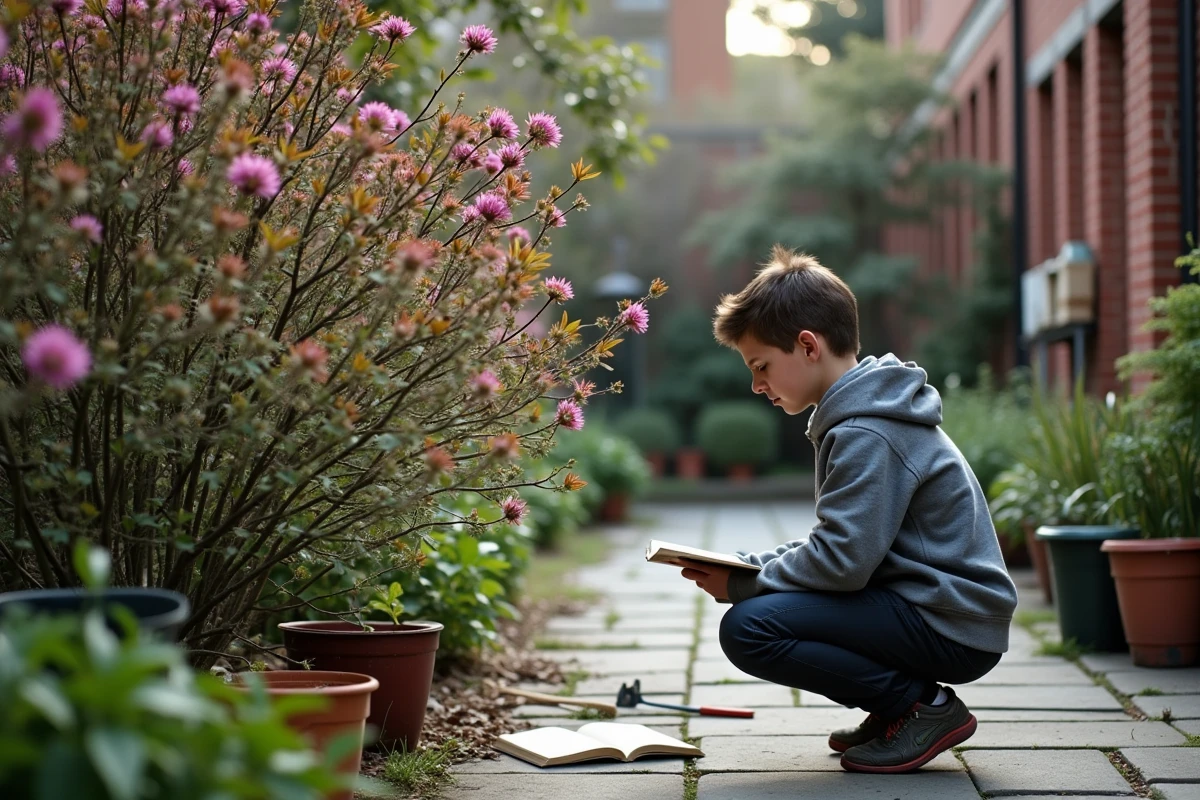
The flowering of Buddleja davidii depends not only on soil or exposure. The interdependence between plant species, pollinators, and gardener practices directly influences the vigor of its flowers. To encourage biodiversity and enjoy a Buddleja covered with colorful clusters from June to October, it is essential to combine several approaches.
Start by varying the species in the garden. By associating Buddleja with other local nectar-producing plants, you multiply the resources for insects. Here are some examples of beneficial associations:
- butterfly lavender (Lavandula stoechas)
- thyme
- rosemary
- mint
- oregano
- sage
This companionship creates a continuous relay of nectar and pollen, attracting different pollinators, bees, hoverflies, and butterflies like the peacock butterfly, the vulcan, or the painted lady, and limits the pressure exerted by a single plant on the garden’s balance.
Also intervene in the management of Buddleja: limit its spread by cutting faded flowers before seed formation, choose sterile varieties to contain its dispersion. Whether on an embankment, in a free hedge, or a flowerbed, a severe pruning at the end of winter stimulates growth and encourages flowering. Compact varieties are perfect for balconies, making biodiversity accessible even in urban spaces.
Finally, reduce the use of chemical products. Opt for gardening practices that draw on plant sciences and respect for beneficial organisms: mulching, compost application, differentiated management of spaces. The flowering of Buddleja then becomes the visible indicator of a living garden, where every action counts towards the overall balance.
At the scale of a garden or a neighborhood, every decision contributes to shaping the landscape of tomorrow. Between lilac clusters and the flight of insects, Buddleja reminds us that the beauty of life often plays out in nuance and diversity.