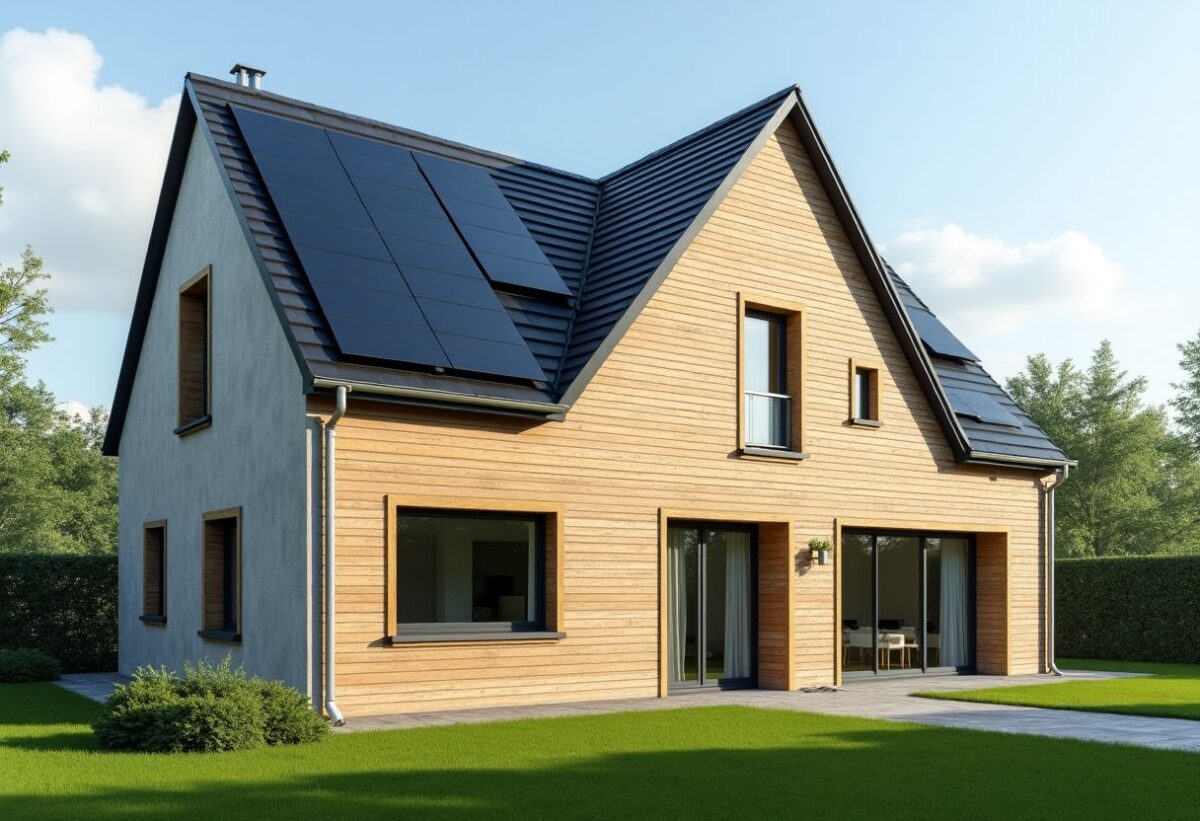
In a world where energy preservation is becoming a priority, transforming your home into an energy-efficient space is more than just a choice; it’s a necessity. The energy optimization of a building does not stop at the installation of solar panels or the purchase of energy-efficient appliances. An effective method, often underestimated, is external insulation.
This process, in addition to enhancing thermal insulation, allows for a fresh look at the exterior appearance of the building. To better understand, let’s take a detailed look at its advantages, the materials used, the installation steps, and the financial considerations to keep in mind.
The advantages of external insulation
Wrapping your home in an insulating cloak brings a series of benefits both thermally and in terms of living comfort. This type of insulation significantly reduces thermal bridges, those weak energy areas where heat escapes. Thanks to it, energy savings can reach surprising levels. In winter, heat stays inside; in summer, it stays outside. This also means a significant reduction in energy bills.
- Improvement of thermal comfort: The indoor temperature remains stable, regardless of weather conditions.
- Reduction of thermal bridges: Limits heat loss and optimizes overall energy efficiency.
- Preservation of interior space: No sacrifice of living space is necessary.
- Aesthetics: The opportunity to refresh the exterior appearance of your home.
Materials used for external insulation
Choosing the right material is a fundamental element in the insulation process to ensure durability and efficiency. Various materials are available, each with its own characteristics and specific advantages.
- Expanded polystyrene (EPS): Very lightweight and economical, it offers good thermal insulation.
- Rock wool: Known for its fire resistance and acoustic insulation properties.
- Wood fiber: An eco-friendly choice that provides excellent thermal and acoustic insulation.
- Polyurethane: Offers the best thermal performance, perfect for harsh climates.
Installation steps for external insulation
The implementation of external insulation requires careful planning and takes place in several key steps to ensure an optimal result.
First, preparing the exterior surfaces is essential. A thorough cleaning and repair of any imperfections ensure maximum adhesion of the insulating material.
Next, choosing appropriate fasteners ensures the stability of the installation. The installation of the insulation follows this step, with particular attention paid to joints and corners to maximize thermal tightness.
Finally, the finishing layer, often a coating, protects the insulation while providing a neat aesthetic appearance.
Financial considerations and available assistance
Investing in external insulation may seem costly, but it is crucial to consider the potential long-term savings as well as the financial assistance available.
The initial costs can be substantial, but reductions in energy bills and the appreciation of your property often more than compensate for them.
Many grants and tax credits exist to encourage homeowners to undertake this work. For example, the tax credit for energy transition (CITE) in France and the assistance from the National Housing Agency (ANAH) can significantly lighten the final cost.